Cart
0

Throw pillow covers do more than just decorate your space. They collect dust, oils, pet hair, and everyday mess. Over time, these beautiful accents can turn dull or unhygienic. Cleaning them properly keeps your home fresh and your pillows long-lasting.
But not all pillow covers are created equal. Velvet, linen, faux fur, or cotton—each fabric has its own needs. Using the wrong cleaning method can shrink, fade, or damage the fabric.
That’s why this guide walks you through every type, step-by-step.
Whether you're refreshing guest room cushions or deep-cleaning everyday favorites, this care guide has you covered—literally. Let’s keep those covers clean, stylish, and safe to touch.
Care Tags & Cleaning Codes: Your First Clue to Cleaning Right
Before you grab the detergent, check the care tag. Most quality pillow covers include cleaning codes on their labels. These small letters—W, S, WS, or X—tell you how to clean without causing damage.
Here’s what each code means:
W (Water-Based Cleaning): Safe for machine or hand washing with water-based detergent. Cotton and polyester covers often fall into this category.
S (Solvent-Based Cleaning): Requires dry cleaning or special upholstery solvents. Common for silk, wool blends, or delicate textures.
WS (Water or Solvent): Offers flexibility. You can spot clean with water or a solvent. Test a small area first to avoid discoloration.
X (Vacuum or Brush Only): No water or liquid cleaners allowed. Usually found on vintage, embroidered, or specialty fabrics.
If your pillow cover doesn’t have a label, err on the safe side. Spot test with water in an inconspicuous area before full cleaning. And remember—when in doubt, hand wash gently or consult the manufacturer.
Fabric Types & Their Ideal Cleaning Methods
Not all throw pillow covers can handle the same cleaning process. Fabric matters. Here’s how to treat each type with the care it deserves:
Cotton Pillow Covers
Cotton is durable and easy to care for. Most are machine washable using cold or warm water. Use mild detergent and avoid bleach. Tumble dry low or air dry to prevent shrinkage.
✨ Great for everyday use and families with kids or pets.
Linen Pillow Covers
Linen needs a gentle touch. Hand wash in cold water or use a delicate machine cycle. Use a mild, non-alkaline detergent. Air drying is best—linen can become stiff in dryers.
🧺 Avoid over-wringing to maintain the fabric’s natural texture.
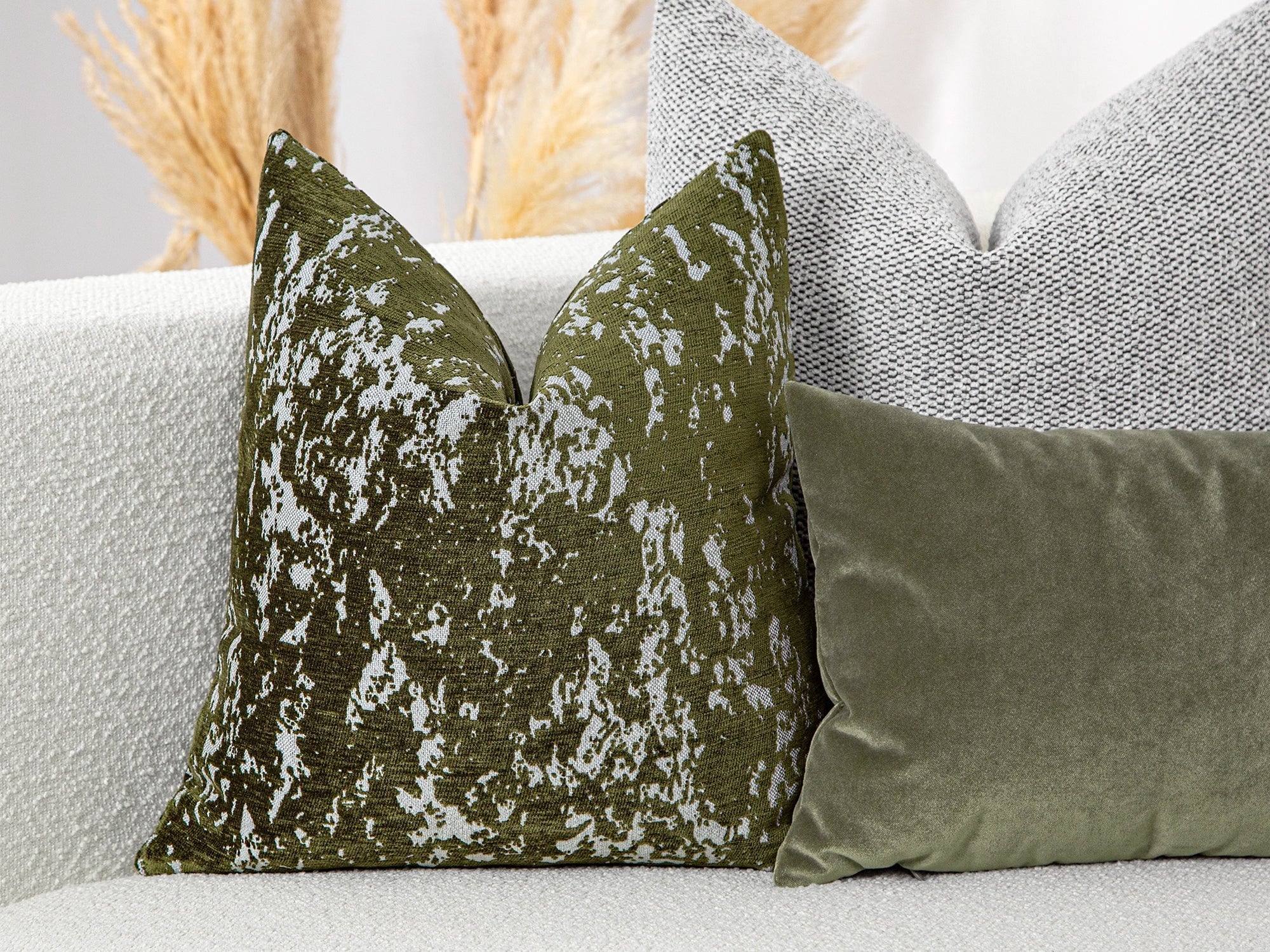
Velvet Pillow Covers
Velvet requires special care due to its pile. Never machine wash unless the tag says it’s safe. Spot clean with a soft cloth and a gentle upholstery cleaner. For deep cleaning, dry cleaning is recommended.
✨ Brush lightly after drying to restore its sheen.
🔗 Tip: Explore our Velvet Pillow Covers Collection for rich textures that last.
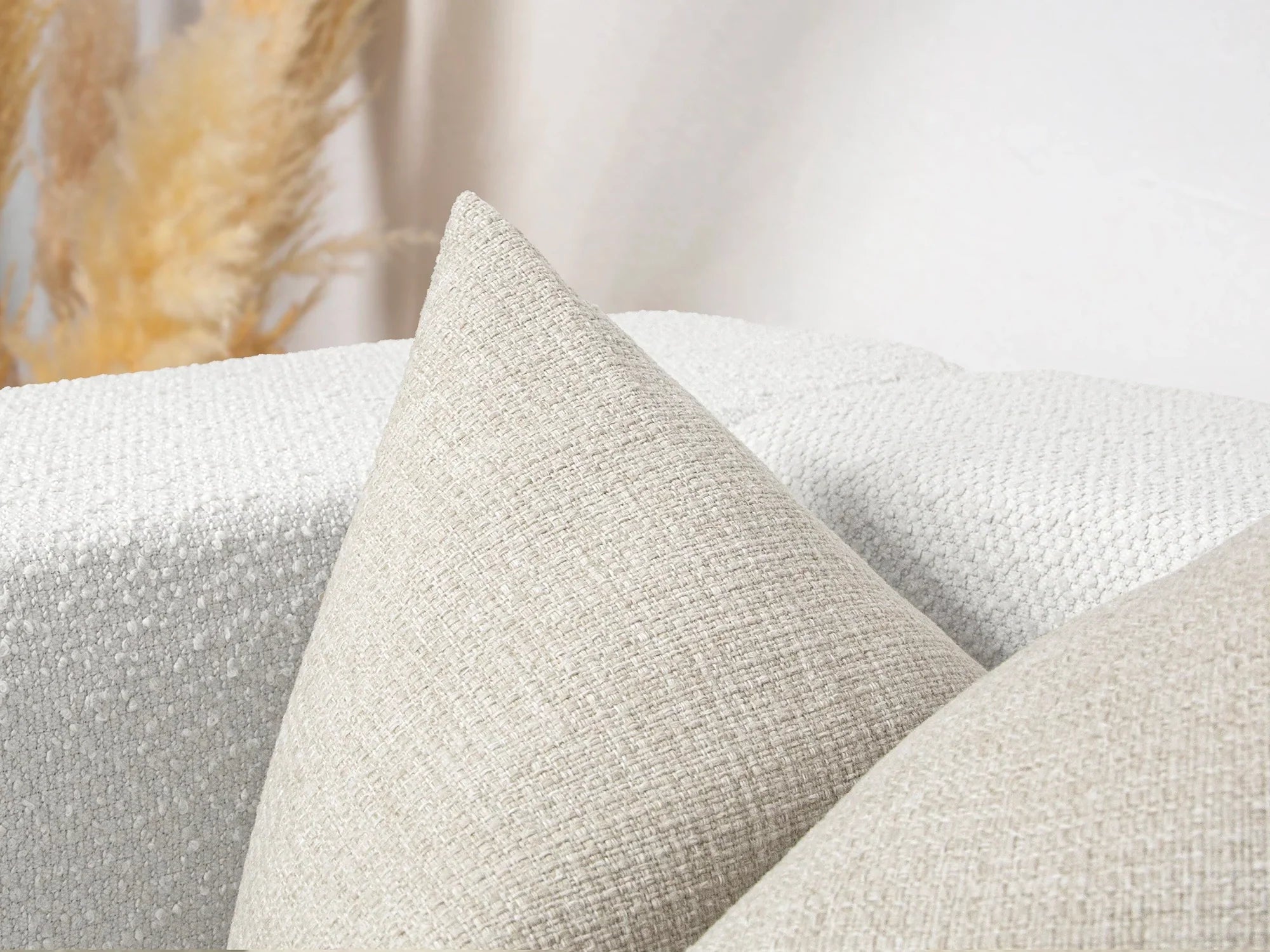
Bouclé & Textured Weaves
Bouclé is trendy but delicate. Avoid soaking or aggressive scrubbing. Spot clean with a damp cloth and air dry flat. Use a fabric protector spray for longer life.
🧼 Don’t pull on loops if they snag—snip carefully.
🔗 Style tip: Our Bouclé Pillow Covers offer softness with a modern edge.
Faux Fur & Fluffy Textures
These covers need TLC. Use cold water and wash by hand or in a mesh bag on delicate. Use gentle, fragrance-free detergent. Never wring; press water out gently and lay flat to dry.
🐾 Brush with a soft bristle comb once dry to fluff.
Silk & Satin Pillow Covers
Silk is luxurious—and sensitive. Hand wash in cold water with a pH-neutral detergent. Never use bleach or soak too long. Dry flat away from sunlight.
💡 Pro tip: Use a pressing cloth if ironing is needed.
Leather & Faux Leather Covers
Avoid water unless the tag allows it. Wipe with a damp microfiber cloth and a gentle soap solution. Dry immediately with a soft towel. Use leather conditioner monthly to prevent cracks.
🔥 Keep away from heat sources to avoid warping.
Cleaning Methods: Spot, Hand, Machine & Dry
Every pillow cover has different cleaning needs. The right method keeps your fabric safe and your home fresh.
Let’s break down the four main ways to clean throw pillow covers.
1. Spot Cleaning
Perfect for light stains or delicate fabrics. Use a white cloth, cold water, and mild soap. Blot—don’t rub—to avoid spreading the stain. Test the solution on a hidden area first. Let it air dry completely before reuse.
🟡 Best for: Velvet, silk, faux fur, or unknown fabrics.
2. Hand Washing
Ideal for covers without a care tag or fragile textures. Fill a basin with cold or lukewarm water. Add a gentle detergent—avoid bleach or softeners. Soak for 10–15 minutes, then gently agitate. Rinse well and press water out without twisting. Air dry flat to prevent misshaping.
3. Machine Washing
Quick and effective for durable fabrics. Use a mesh laundry bag to protect zippers and trims. Select a cold, gentle cycle with mild detergent. Avoid overloading the machine. Tumble dry low or hang to air dry.
🔄 Tip: Turn covers inside out to preserve patterns and textures.
4. Dry Cleaning
Some covers need professional care. If the label says “Dry Clean Only,” don’t risk home washing. Dry cleaning protects embroidery, silk, wool blends, and metallic threads.
📌 Note: Dry cleaning helps preserve shape and fabric integrity long term.
By choosing the right method, you extend the life of your pillow covers. You also avoid common issues—shrinking, color fading, or texture damage. Always start with the gentlest method possible. If you're ever unsure, spot clean or consult a fabric care professional.
Drying & Post-Clean Care: Keep Your Covers Fresh and Flawless
Cleaning is only half the story—drying matters just as much. Wrong drying methods can shrink, fade, or warp your pillow covers. Here’s how to finish strong and keep your covers looking new.
Air Drying: The Safest Bet
Lay covers flat on a clean, dry towel. Avoid direct sunlight—it can bleach colors or stiffen fabric. Turn the covers once or twice for even drying.
✨ Ideal for silk, linen, velvet, faux fur, and bouclé.
Tumble Drying: Only for Durable Fabrics
Check the care label first—many covers can't handle heat. Use a low-heat or no-heat setting. Add dryer balls to help fluff and circulate air. Remove covers while slightly damp to prevent over-drying.
🧺 Great for cotton, polyester, or blends.
Post-Dry Touch-Ups
Wrinkles? : Use a steamer or iron on a low setting, if the fabric allows. Place a cotton cloth between the iron and the cover.
Velvet or Faux Fur? : Gently brush with a soft-bristle brush to restore texture.
Leather or Faux Leather? : Apply a conditioner to prevent cracks and keep it supple.
Zippers & Closures? : Check for loose threads, rust, or bending before reuse.
Storage Tips
Not using your pillow covers for a while? Store them in a cool, dry place away from direct light. Use breathable cotton bags instead of plastic. Add cedar blocks or lavender sachets to keep them fresh.
Smart drying and aftercare make a big difference. They keep textures soft, colors bright, and shapes intact—season after season.
How Often Should You Clean Pillow Covers?
How often you clean your pillow covers depends on how they're used. Decorative pillows in a guest room need less care than daily-use couch cushions. But all covers collect dust, skin oils, and airborne particles over time.
Here’s a simple guideline:
Daily Use (Living Room or Bedroom)
Clean every 2–4 weeks. Especially if you nap on them, eat nearby, or have pets.
Guest Room or Occasional Use
Clean every 3–6 months. Refresh them before guests arrive and after long storage.
Pet-Friendly Homes
Clean every 1–2 weeks. Fur, dander, and bacteria can build up fast—especially on textured fabrics.
Allergy-Sensitive Users
Clean every 1–2 weeks, or even weekly during peak allergy seasons. Choose hypoallergenic detergents and air dry fully.
After Spills or Stains
Spot clean immediately. Then follow up with full cleaning as needed.
📌 Pro Tip:
Rotate your pillow covers by season. It reduces wear, keeps your style fresh, and gives you time to clean backups.
FAQs: What Users Ask Most About Cleaning Pillow Covers
Can I wash all pillow covers in the washing machine?
Not all of them. Cotton and polyester are usually safe. Velvet, silk, or textured covers often need hand washing or dry cleaning. Always check the care label first.
What if my pillow cover doesn’t have a care label?
When in doubt, spot clean first. If deeper cleaning is needed, hand wash gently with cold water and mild detergent. Avoid machine drying and let it air dry flat.
How do I remove tough stains like wine or grease?
Blot the area with a white cloth—don’t rub. Use a mild stain remover or a baking soda + vinegar paste. Let it sit for a few minutes before rinsing gently.
Can I put throw pillow covers in the dryer?
Only if the label allows it. Use low or no heat to avoid shrinking or damage. For delicate fabrics, air drying is safest.
How do I keep velvet covers soft after washing?
Never twist or wring them. Air dry flat and gently brush the fabric when it’s fully dry. This restores the pile and keeps it looking fresh.
Are pillow covers with zippers or embellishments machine washable?
Only if the fabric and construction are durable. Use a mesh laundry bag and select a gentle cycle.
Turn covers inside out to protect details.
How do I know if a cover should be dry cleaned?
Look for a tag that says “S” or “Dry Clean Only.” If the fabric feels delicate (like silk, wool, or embroidered), dry cleaning is safest. When in doubt, treat it like a specialty garment.
Find Covers That Are Stylish, Washable, and Made to Last
Not all throw pillow covers are easy to clean—but ours are designed with care in mind. Whether you're after soft cotton, texture-rich bouclé, or machine-washable velvet, you’ll find options that suit your lifestyle and cleaning routine.
✨ Explore our top picks below:
● Bouclé Pillow Covers – Cozy texture, spot-clean safe
● Velvet Pillow Covers – Deep colors, low-maintenance finishes
● Best Sellers – Loved by hosts and easy to care for
🛒 Ready to refresh your home? Browse Pillowhan’s collections and choose covers that match your space and your schedule.